Fanny Kemble
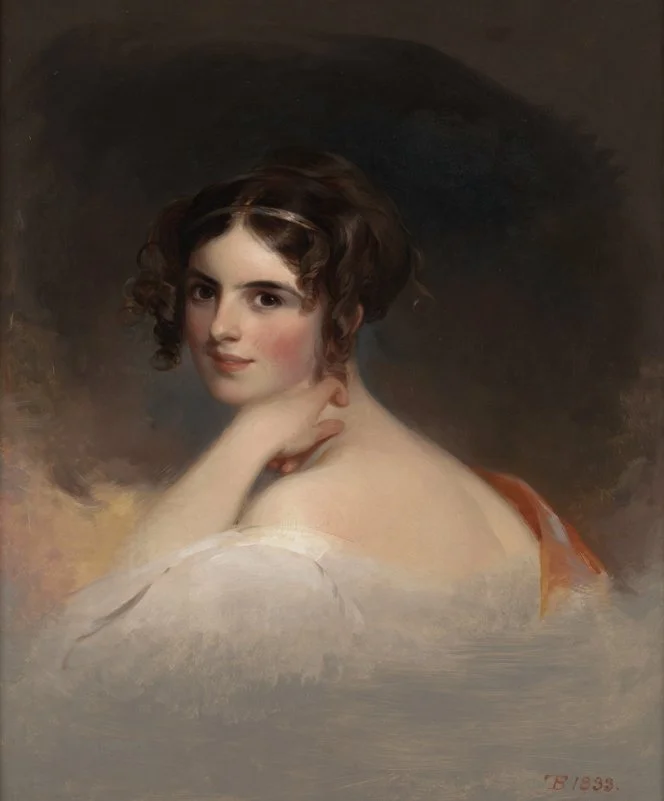
Listen to ArtMuse's episode on the actress, author, and abolitionist, Fanny Kemble.
Fanny was born into one of the most famous acting families in England but her destiny was not on the stage. Though she did premiere at Covent Garden at the age of nineteen to help save her family’s theater from ruin, her heart belonged elsewhere. From an early age, Fanny was drawn to the world of literature and dreamed of one day becoming a writer.
When she married a wealthy American man at the age twenty-four, she was able to leave her career on the stage behind. But Fanny was in for a rude awakening when she discovered his wealth came from his family’s plantation in Georgia. When she visited the plantation in 1831, she came face to face with the brutality of slavery, and committed herself to the abolitionist cause. She meticulously recorded her experience in a journal, which was later published in 1863. It remains one of the most vivid first hand accounts of slavery in American history.
Fanny not only went on to divorce her husband, but became a prolific writer, publishing a number of memoirs, plays, and poems in her later life. She was bold and defiant, unafraid to stick it to the man, and fiercely fought for a better world.
In this episode, we aim to honor Fanny Kemble as the strong and spirited woman she was, who first dazzled audiences as a rising actress in London, committed herself to the abolitionist cause during her time in America, later went on to become an accomplished author, supported herself as a divorced woman through her innovative readings, and who, as the author Henry James once said, had “an abundance of being”.
This episode is produced by Kula Production Company.
REFERENCES
David, Deirdre. Fanny Kemble: A Performed Life. University of Pennsylvania Press, 2007.
Jenkins, Rebecca. Fanny Kemble: A Reluctant Celebrity. Simon & Schuster, 2005.
IMAGES
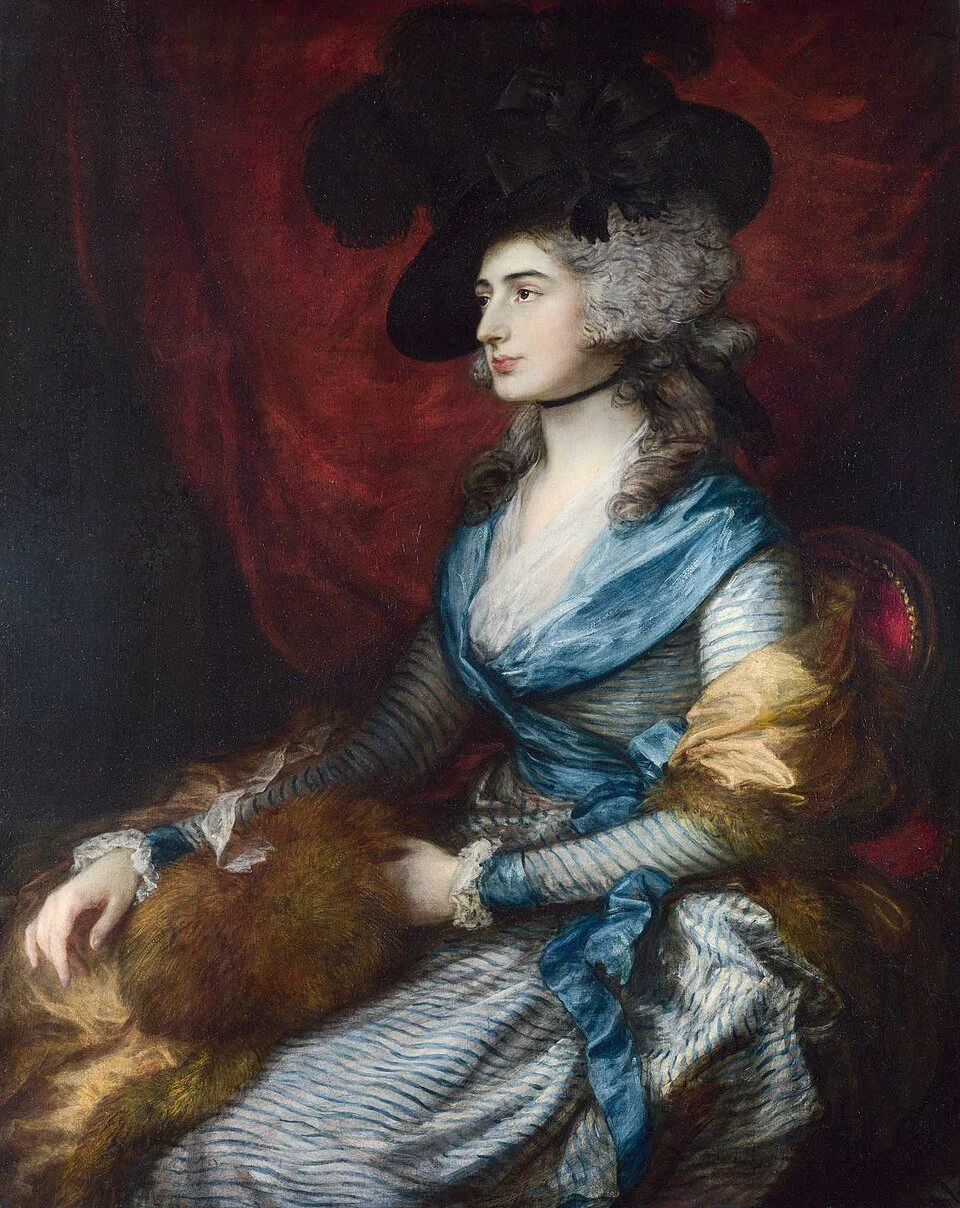
Fanny’s aunt, Sarah Siddons, painted by Thomas Gainsborough in 1785.
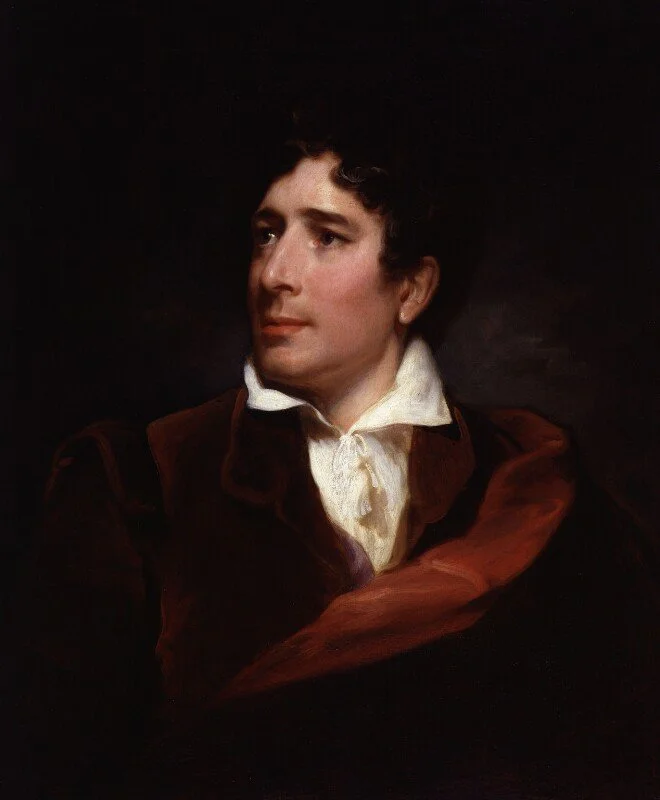
Fanny’s father, Charles Kemble, painted by Henry Perronet Briggs in 1830.
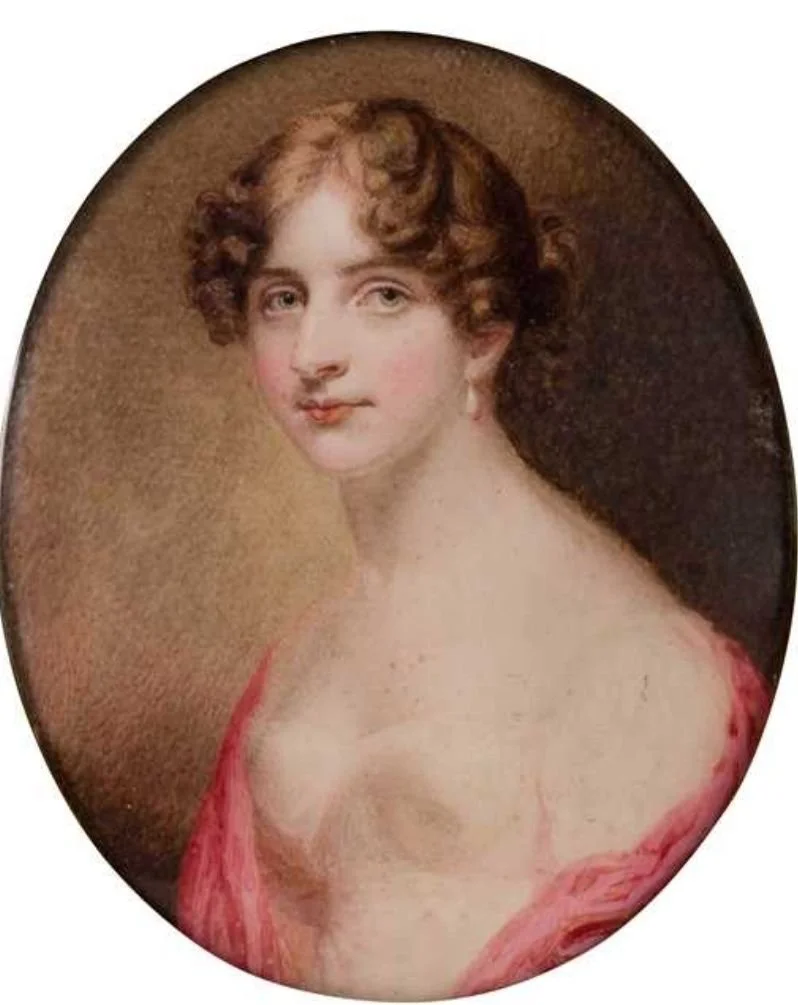
Fanny’s mother, Marie-Thérèse de Camp, artist unknown.
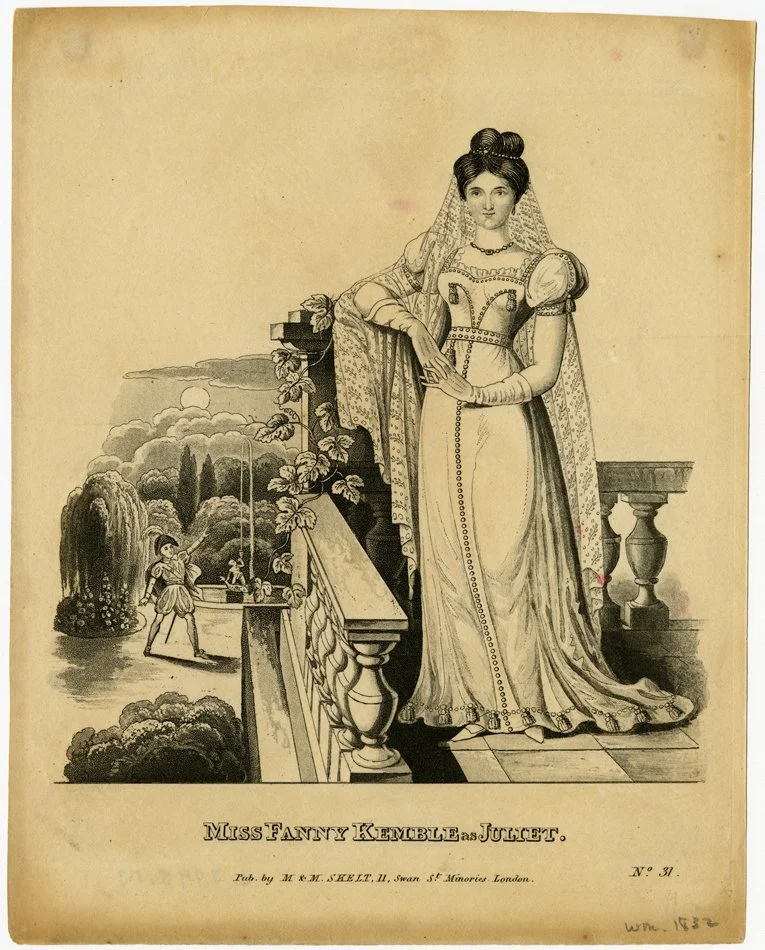
Fanny Kemble as Juliet, her signature role.
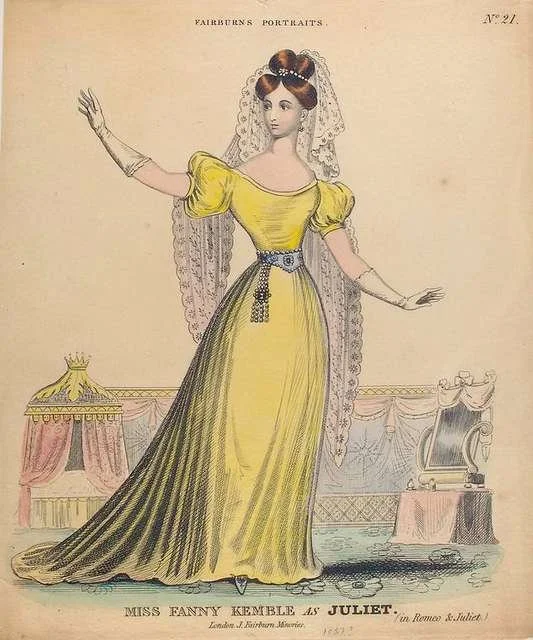
Fanny Kemble as Juliet, her signature role.
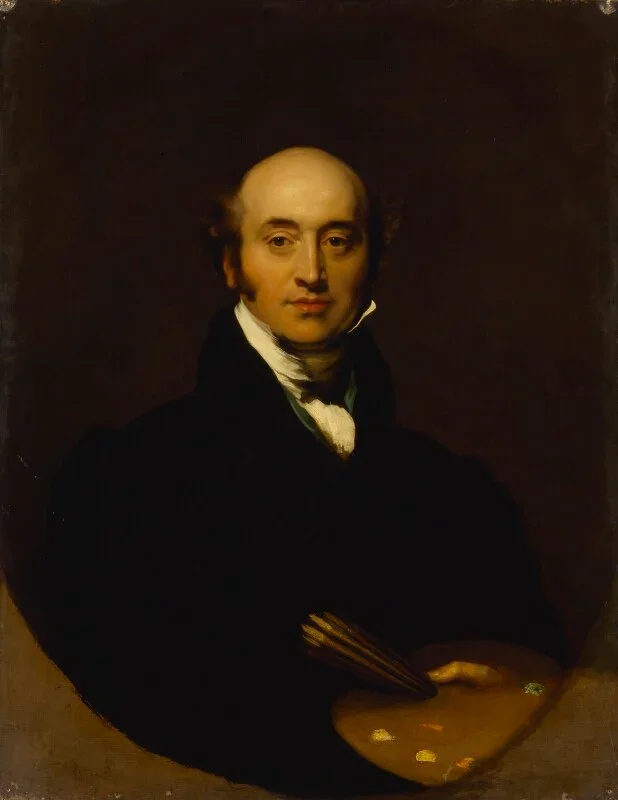
Sir Thomas Lawrence by Richard Evans, after Sir Thomas Lawrence’s self-portrait, late 1820s.
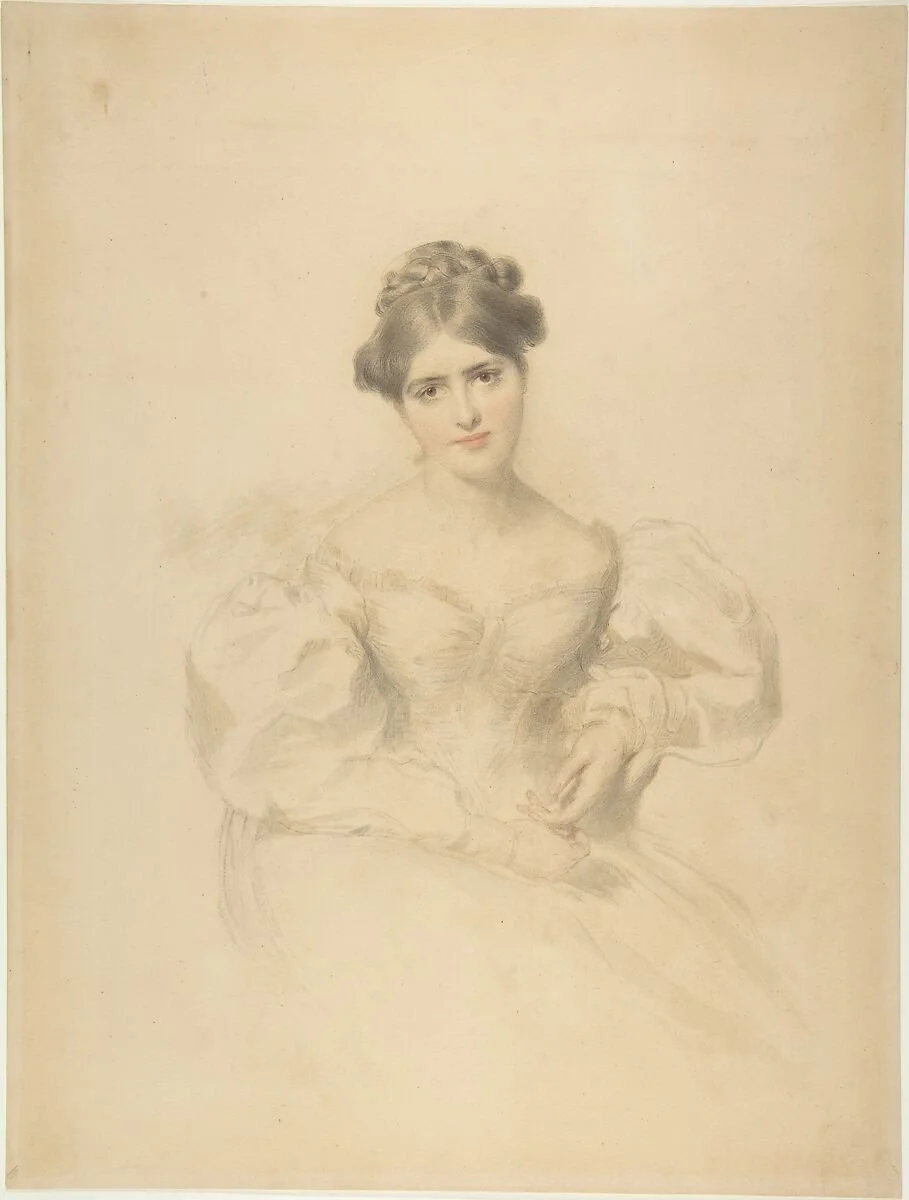
Frances Anne (Fanny) Kemble, after Sir Thomas Lawrence, 1830s.
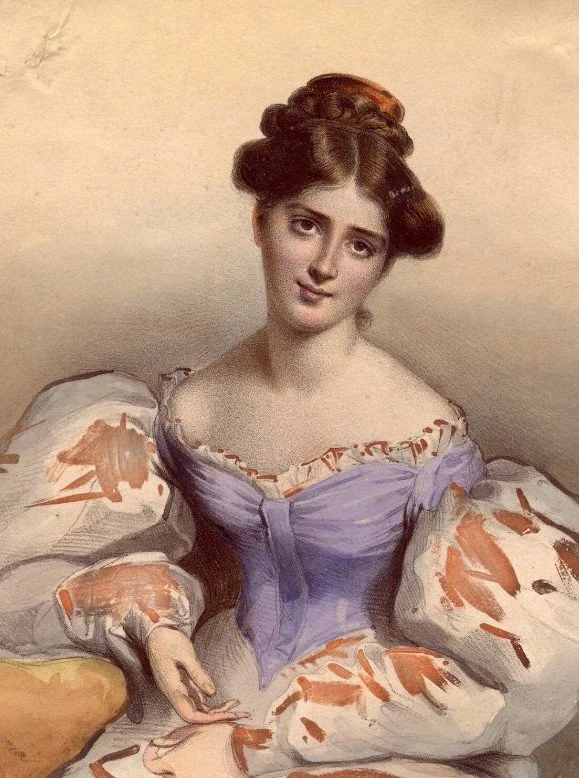
Fanny Kemble, after Sir Thomas Lawrence, 1830s.
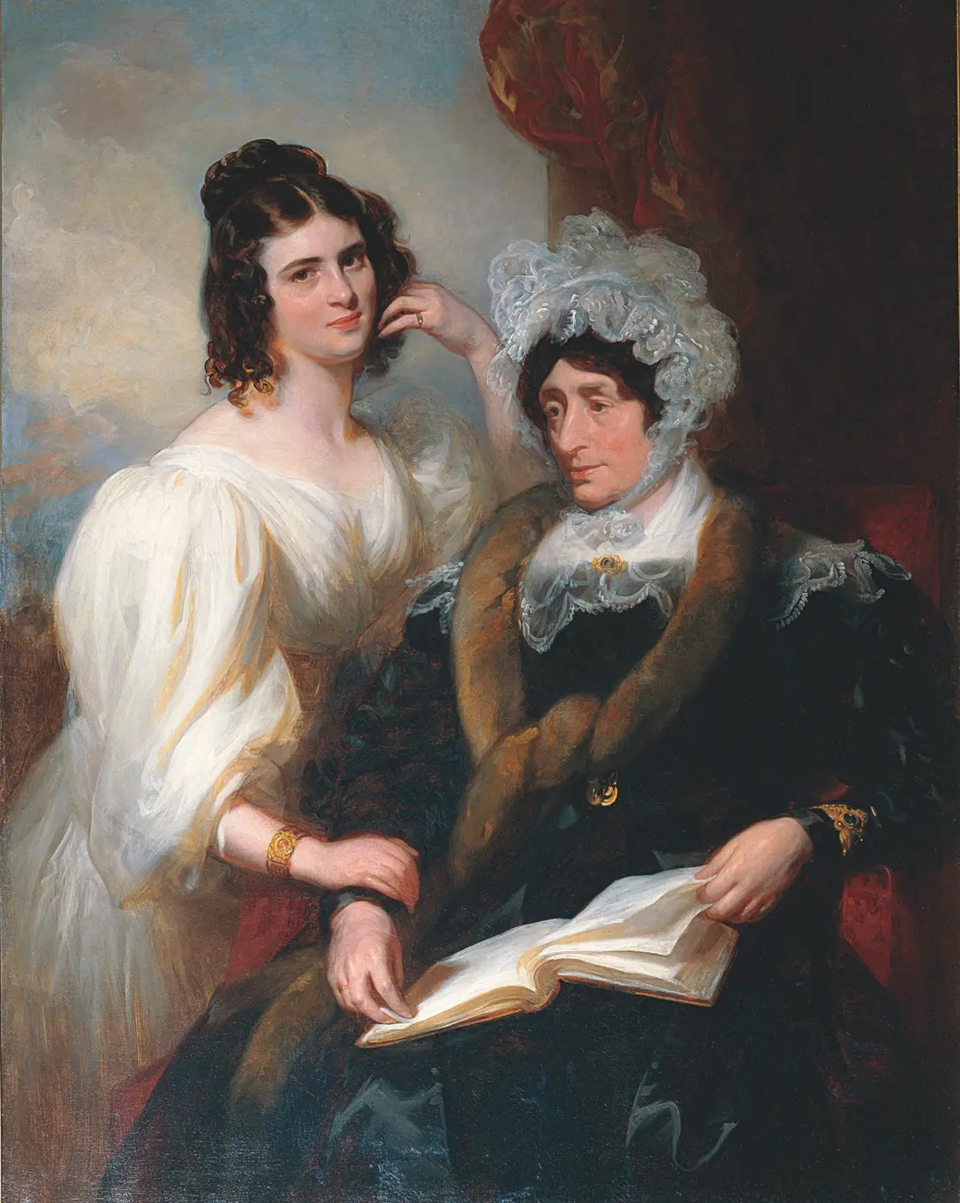
Henry Perronet Briggs, Fanny Kemble and Sarah Siddons, 1830.